Sapphire FUE in Warsaw

Sapphire FUE in Warsaw
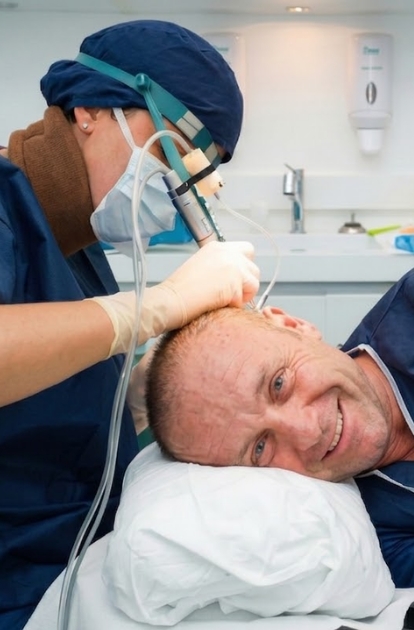
Sapphire FUE in Warsaw is an FUE-based approach where grafts are still extracted individually, but recipient channels are created with sapphire blades before implantation.
Sapphire blades are about channel planning for angle and direction. This is not the same workflow as DHI with an implanter pen, and it is not automatically better than classic FUE for every patient.
At Turkus Hair Transplant Clinic in Warsaw, consultation, the Sapphire FUE procedure and local aftercare stay in one city. The team explains when sapphire channels may help versus classic FUE or DHI.
If you want to know whether Sapphire FUE is suitable for you, book a free consultation in Warsaw at Turkus Hair Transplant Clinic.
Last updated: 2026
Quick Insights
- Sapphire FUE is a channel-tool variant of FUE, not a separate implant method like DHI.
- Sapphire blades are used to create recipient channels before graft placement.
- It may help structure angle and direction across wider planned zones.
- It can be considered for hairline, frontal area, mid-scalp and selected crown cases.
- Donor capacity and graft planning still decide safety and coverage.
- Sapphire FUE is not automatically best for everyone.
- Turkus offers Sapphire FUE in Warsaw with local follow-up after the procedure.
What Is Sapphire FUE?
Sapphire FUE is an FUE variant where grafts are still extracted one by one from the donor area, but recipient channels are created with sapphire blades before implantation.
Sapphire blades are about preparing the recipient zone: they help plan channel angle, direction and layout. This is not a separate method family like DHI with an implanter; it is a channel-tool variant of classic FUE.
At Turkus in Warsaw, Sapphire FUE is considered when channel planning and treatment reach may benefit from sapphire recipient preparation, after donor assessment in consultation.
How Sapphire FUE Works
A Sapphire FUE procedure in Warsaw usually includes:
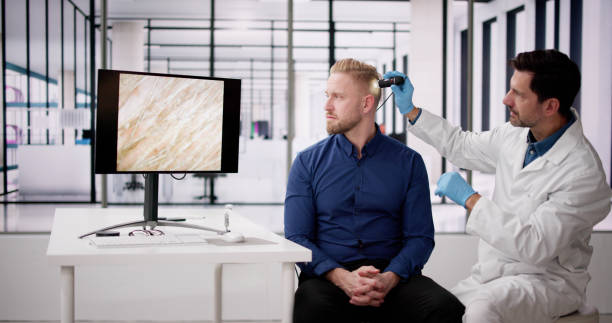
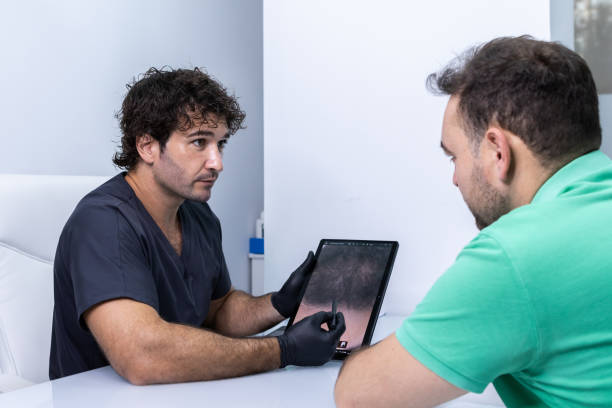
- Consultation and donor area assessment
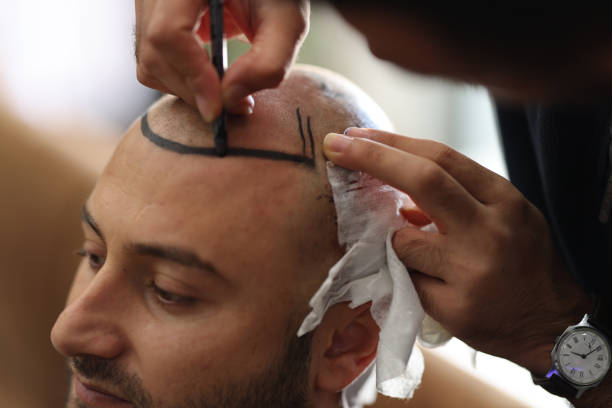
- Hairline and treatment zone planning
- Graft extraction from the back and sides of the scalp
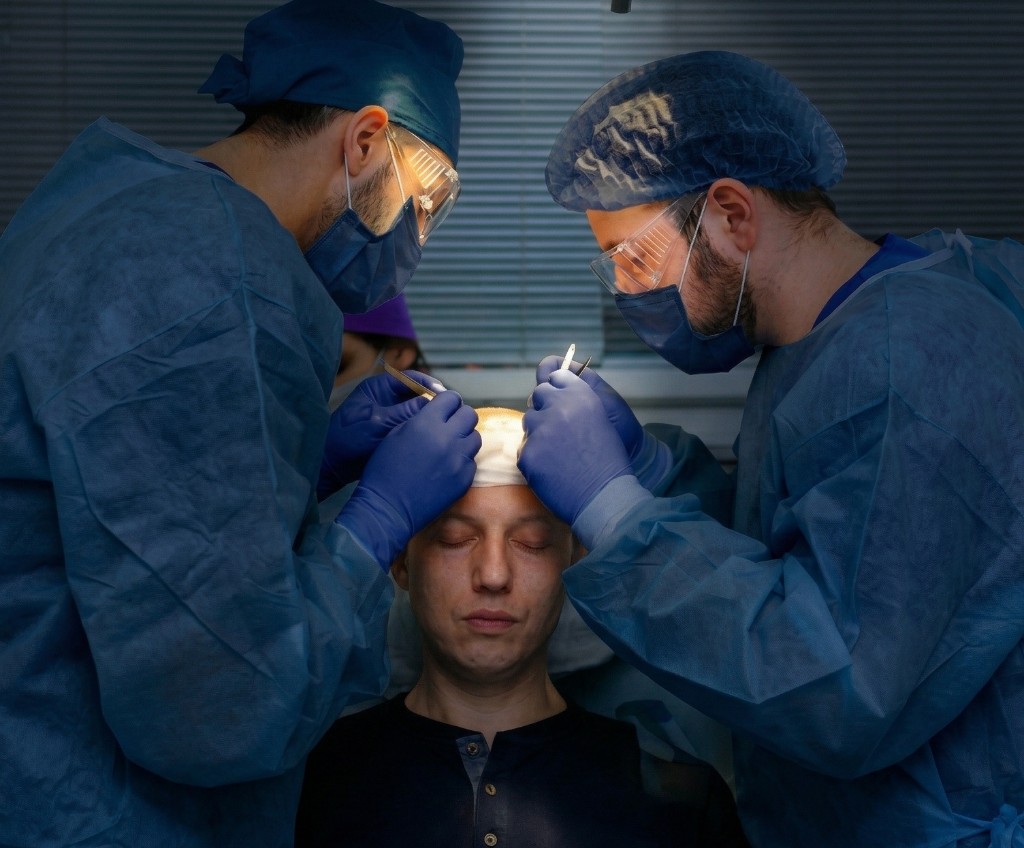
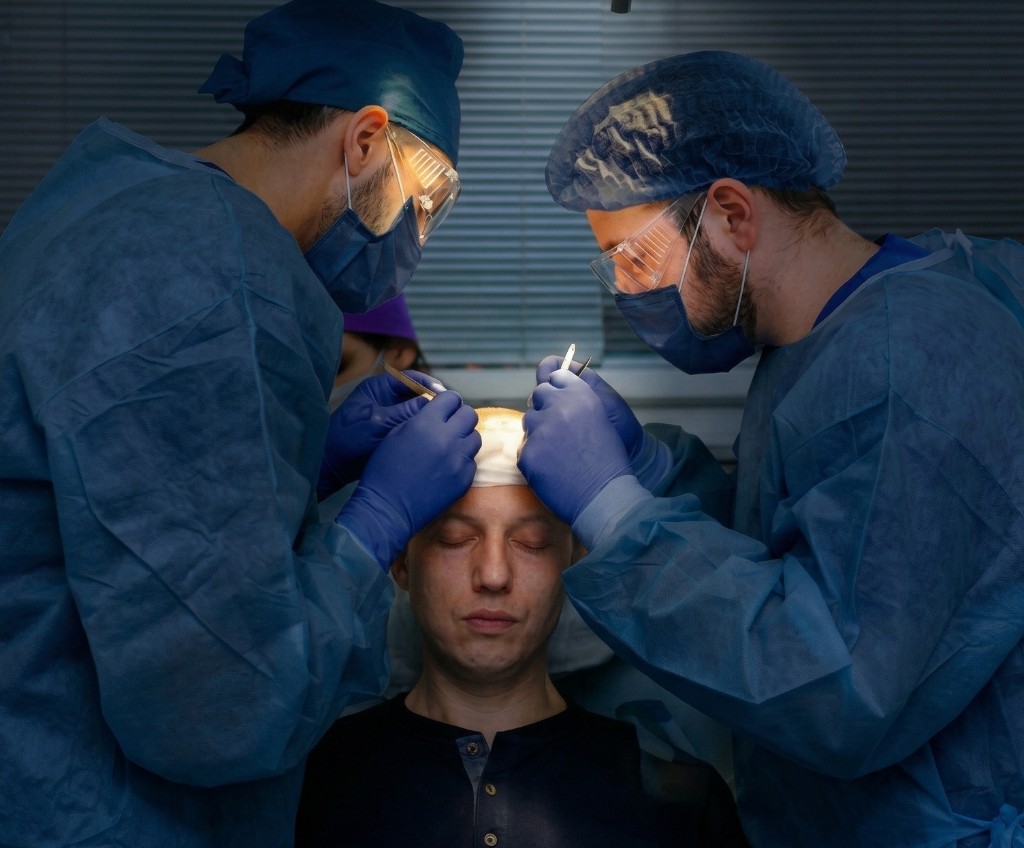
- Recipient channel creation with sapphire blades
- Graft implantation and local aftercare guidance
Results depend more on donor and hairline planning than on the sapphire blade name alone.
Who Is Sapphire FUE Suitable For?
Sapphire FUE may be considered when you need structured channel planning for:
- Receding hairline
- Temple recession
- Frontal thinning
- Mid-scalp thinning
- Selected crown thinning
- Wider coverage with a suitable donor
It is not automatically best for everyone. Suitability depends on donor strength, hair caliber and whether DHI with an implanter may fit a small, precise zone better.
Sapphire FUE for Hairline Restoration
Hairline design is one of the most important parts of Sapphire FUE.
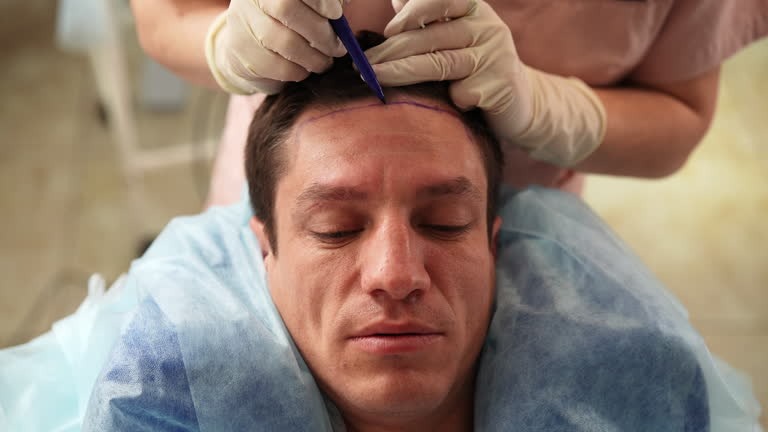
A natural hairline should match face shape, age, forehead proportions, temple shape, hair type, future hair loss risk and donor capacity.
The goal is not to create the lowest hairline possible. The goal is to create a hairline that looks natural and fits your face.
At Turkus Hair Transplant Clinic, hairline planning is personalized for each patient.
Sapphire FUE for Frontal Density
The frontal area is usually the most visible part of the hair transplant result.
Sapphire FUE may be used to improve frontal density and create a fuller appearance in suitable patients.
This area must be planned carefully because it affects how the whole face looks.
A good frontal plan should balance density, natural direction and donor area protection.
Sapphire FUE for Crown Area
Sapphire FUE may also be used for selected crown cases.
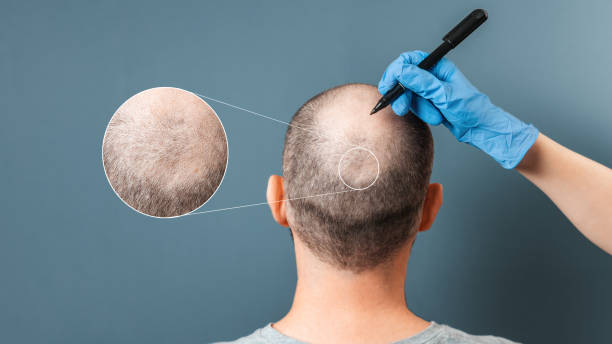
The crown has a circular growth pattern, so graft angle and direction are very important.
Crown restoration can require many grafts, so donor area evaluation is essential before treatment.
In some patients, the clinic may recommend treating the front area first and planning the crown later.

Sapphire FUE vs DHI
Sapphire FUE and DHI can both create natural-looking results when planned correctly.
The main difference is the implantation process.
In Sapphire FUE, recipient channels are created with sapphire blades before graft placement.
In DHI, grafts are placed using an implanter pen.
Sapphire FUE may be suitable for wider coverage and structured channel planning.
DHI may be useful for selected precise placement cases, especially smaller areas or density between existing hairs.
The best method should be chosen after consultation.
Sapphire FUE vs Standard FUE
Both methods rely on individual graft extraction. The difference is mainly the recipient-channel tools: Sapphire FUE uses sapphire blades.
Classic FUE may use other instruments for site preparation. Sapphire FUE is sometimes chosen when the team wants more controlled channel layout for angle and direction.
Final results still depend on donor quality, hairline design, graft handling, density planning and aftercare in Warsaw.
Tool technique matters, but medical suitability matters more.
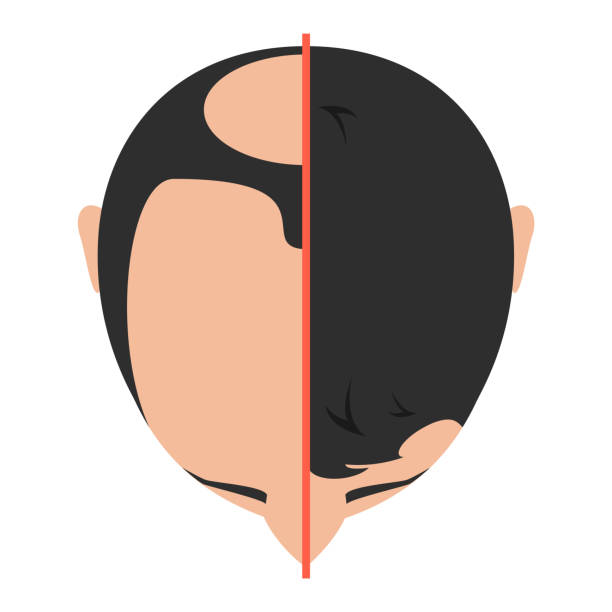
Benefits of Sapphire FUE
When the method fits the case, Sapphire FUE may support:
- Structured recipient channel creation
- Angle and direction planning across wider zones
- Natural hairline planning
- Personalized graft placement
- Fit for selected hair loss patterns
The benefit is real only when the method follows consultation, not the "sapphire" label alone.
Why Donor Area Matters
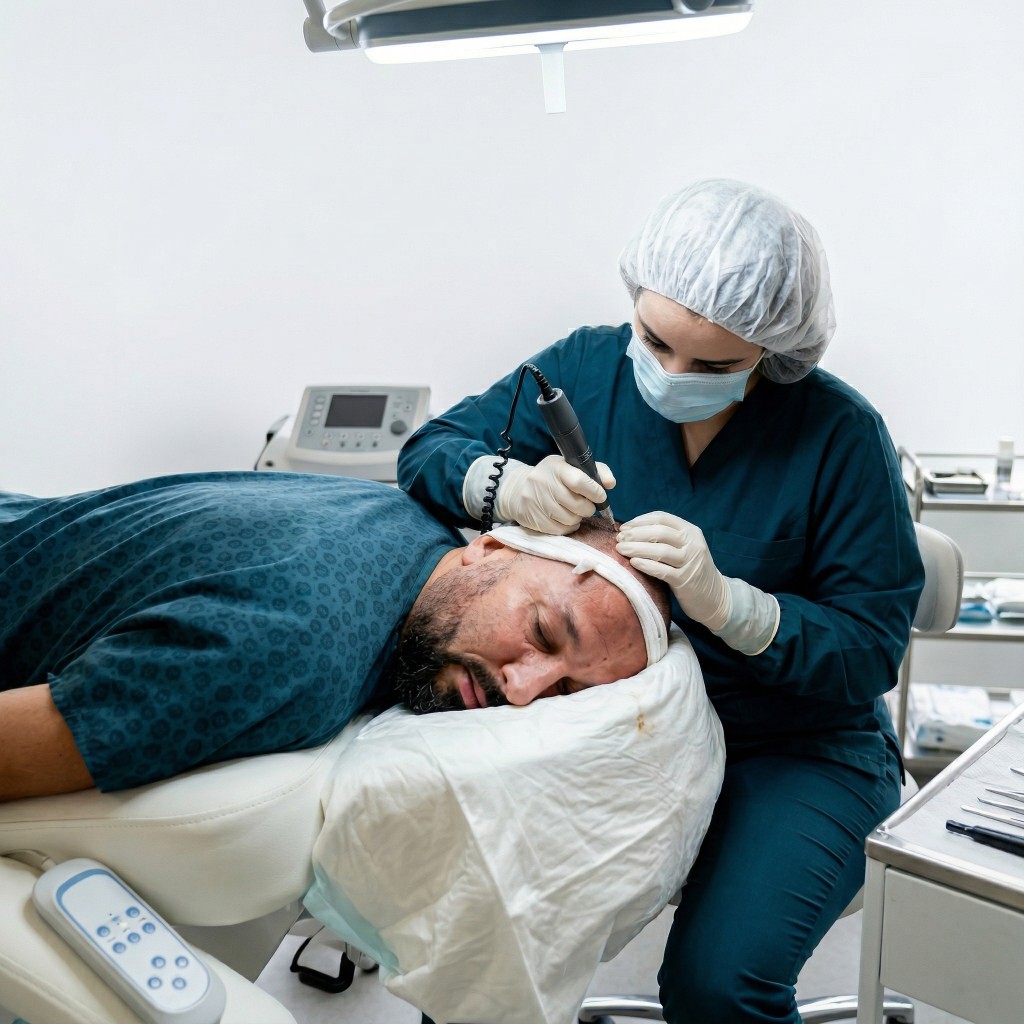
Sapphire FUE does not increase donor capacity. Grafts still come from the back and sides of the scalp.
Before a procedure in Warsaw, the clinic should assess donor density, hair thickness, safe graft number, future loss risk and natural donor appearance after extraction.
A good clinic does not harvest a maximum graft count "just in case". The goal is safe use of the right number.

How Many Grafts Are Needed?
Graft needs depend on hair loss level and treatment goals. No fixed count is given before assessment.
Small hairline correction usually needs fewer grafts. Frontal restoration usually needs more. Larger zones need higher numbers when the donor allows it.
The most accurate count comes from a personal consultation in Warsaw.
Sapphire FUE Cost in Poland
Sapphire FUE cost depends on graft number, treatment zone, hairline design, donor quality, procedure complexity and the Warsaw aftercare plan.
At Turkus, exact pricing is discussed after consultation because every patient needs a different plan.
A small correction and a large restoration should not be priced or planned the same way.
Recovery After Sapphire FUE
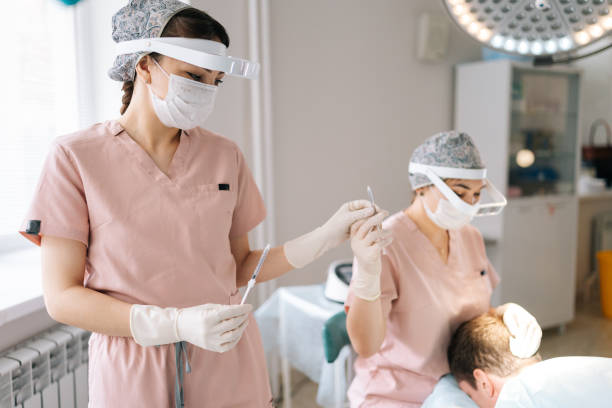
After Sapphire FUE, both the donor area and the sapphire-channel recipient zone heal.
In the first days you may notice mild redness, crusts, swelling or sensitivity. These are common early healing signs. Results vary between patients.
The Warsaw clinic will explain washing, sleep position and how to protect the transplanted zone, plus local follow-up.
When Will You See Results?
Hair transplant results take time.
In the first weeks, transplanted hair may shed. This is usually part of the normal process.
New growth usually starts gradually in the following months.
Visible improvement often becomes clearer around 6 months.
Final results are usually assessed around 12 months, depending on the patient.
Why Choose Turkus Hair Transplant Clinic?
Turkus Hair Transplant Clinic is a Turkish-led hair transplant clinic in Poland.
The clinic was created for patients who want Turkish hair transplant experience without travelling to Turkey.
Patients choose Turkus Hair Transplant Clinic because they want Turkish hair transplant know-how, treatment in Poland, Sapphire FUE, FUE and DHI options, natural hairline design, donor area management, personal consultation, clear treatment planning, local aftercare and comfortable communication.
The goal is to create natural-looking results with a personal treatment plan.
Final Thoughts
Sapphire FUE in Warsaw can suit patients who need FUE extraction with structured sapphire channel planning for angle and density.
It is not a universal upgrade over classic FUE or DHI. Suitability depends on donor strength, graft needs and whether channel tools or an implanter fit the case better.
Book a free consultation in Warsaw at Turkus Hair Transplant Clinic. The team can assess the donor area, explain whether Sapphire FUE fits and outline local aftercare.
Your Free Hair Diagnosis
Let us send your hair transplant plan!

Frequently Asked Questions
Common questions about Sapphire FUE in Warsaw: sapphire blades, differences versus classic FUE and DHI, and treatment at Turkus Hair Transplant Clinic.
Book a Free Hair Transplant Consultation in Warsaw
Ready to find out if a hair transplant is right for you? Book a free consultation at Turkus Hair Transplant Clinic, Warsaw. During your consultation, the team will assess your donor area, discuss your hairline goals, estimate graft needs and recommend the most suitable treatment plan.