Causes of Hair Loss: Top 10 Reasons You Should Know
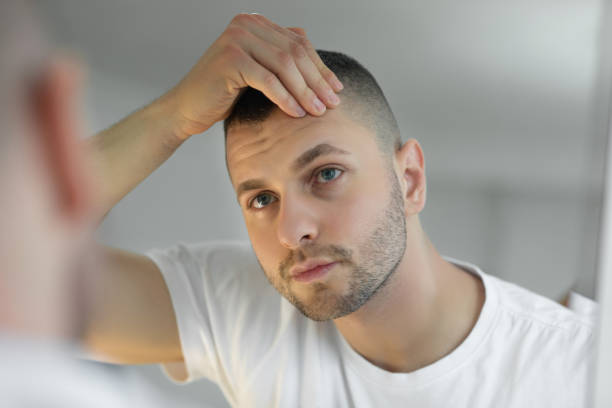
Hair loss affects millions of people and is often more than a cosmetic issue. Whether thinning starts at the crown or clumps fall out in the shower, understanding the cause is the first step toward effective treatment.
There is no single answer. Genetics, hormones, autoimmune disease, deficiencies, medications, scalp infections, and stress can all play a role. Some shedding is temporary; other patterns need long-term care.
This guide explains common and less recognized triggers, from androgenetic alopecia and telogen effluvium to tinea capitis, medication effects, and traction from tight hairstyles.
At Turkus Hair Transplant Clinic, Warsaw, you can book a free consultation for pattern assessment, trichoscopy, and realistic options including FUE, DHI and Sapphire FUE when transplant is appropriate.
Last updated: August 2026
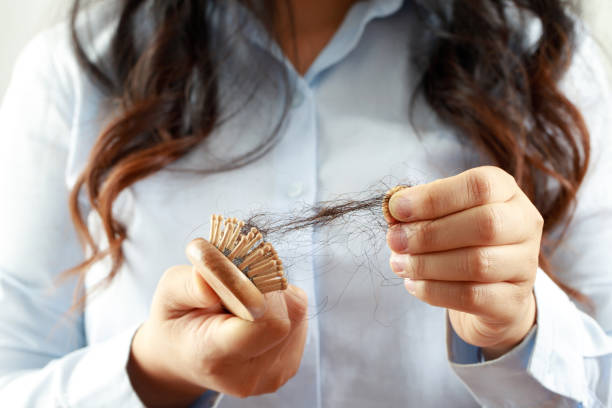
Quick insights: causes of hair loss
- Androgenetic alopecia is the most common genetic cause in men and women.
- Thyroid disease, anemia, and autoimmune conditions can trigger significant shedding.
- Stress, poor diet, and hormonal changes often lead to telogen effluvium.
- Chemotherapy and many everyday medications can affect the hair cycle.
- Tight hairstyles and scalp infections can cause localized or patchy thinning.
- Matching treatment to the cause is key to long-term results.
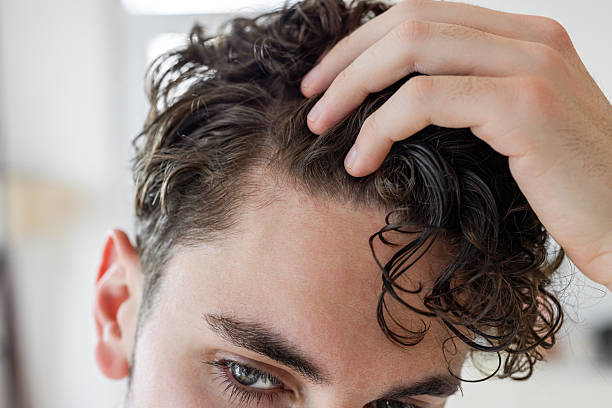
What Causes Hair Loss?
Hair loss, or alopecia, affects millions of people worldwide. It is often more than a cosmetic concern. Whether thinning starts at the crown or clumps fall out in the shower, understanding the cause is the first step toward effective treatment.
There is no single answer for everyone. Hair loss can result from genetics, hormonal shifts, autoimmune disease, nutritional deficiencies, medications, scalp infections, or stress-related shedding such as telogen effluvium. Some people experience temporary shedding, while others face progressive thinning that needs long-term care.
Less recognized triggers include tight hairstyles (traction alopecia), chronic scalp inflammation, and environmental stress on the follicle. Identifying the pattern early helps you choose the right next step.
At Turkus Hair Transplant Clinic, Warsaw, patients receive a personal evaluation of scalp health, shedding pattern, and realistic options, including medical therapy and FUE, DHI or Sapphire FUE when transplant is appropriate.
Genetic and Hormonal Causes
The most common cause in men and women is androgenetic alopecia. It is hereditary and linked to increased sensitivity to DHT, a derivative of testosterone that shortens the growth cycle and miniaturizes follicles over time.
Androgenetic alopecia: the hereditary factor
In men this is often called male pattern baldness, with recession at the temples and thinning at the crown (Norwood scale). In women it is female pattern hair loss: diffuse thinning on top while the frontal hairline often stays intact (Ludwig scale).
This form is progressive but manageable with early treatment. Options include minoxidil, finasteride for suitable men, PRP, and low-level laser therapy. When loss is advanced and stable, FUE, DHI or Sapphire FUE may be discussed after consultation.
Hormonal shifts beyond genetics
- PCOS in women can raise androgens and mimic male-pattern thinning
- Thyroid disorders (hyper- and hypothyroidism) may cause diffuse shedding
- Menopause-related hormone changes can thin hair density in women
Blood tests and scalp examination help separate genetic thinning from treatable hormonal causes.

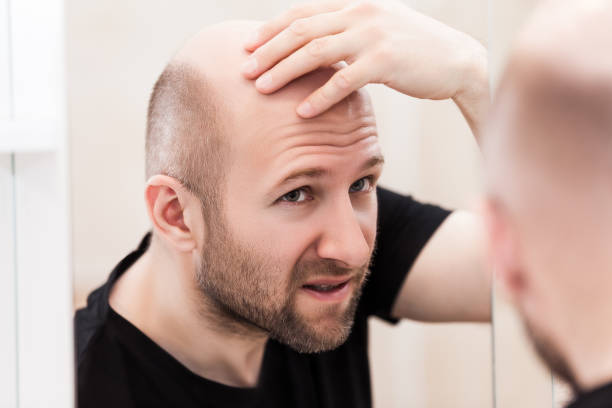
Medical and Autoimmune Causes
Alopecia areata
Alopecia areata is an autoimmune condition where the immune system attacks hair follicles, causing patchy loss on the scalp or body. Triggers may include stress, viral illness, or genetic predisposition.
Treatment may include topical or injectable corticosteroids, immunotherapy, or newer JAK inhibitor medications. Full regrowth is possible, but recurrence is common and follow-up matters.
Telogen effluvium
Telogen effluvium is a common, usually temporary condition. Hair enters the resting phase early, so increased shedding appears about 2 to 3 months after a trigger.
- High fever or illness (including after COVID-19 recovery)
- Major surgery or childbirth
- Crash diets or sudden weight loss
- Emotional stress or trauma
Recovery often begins within 6 months without specific drugs, though nutrition and stress management can support regrowth.
Deficiency-related and systemic conditions
- Iron-deficiency anemia, especially in women
- Vitamin D or B12 deficiency
- Thyroid imbalance and PCOS as above
Sudden or diffuse shedding should prompt blood work to rule out these causes before assuming surgery is needed.
Medication and Treatment-Related Hair Loss
Chemotherapy-induced alopecia
Chemotherapy targets rapidly dividing cells, including hair follicles. Shedding may begin within weeks. Hair usually regrows after treatment ends, though texture or color may change temporarily.
Scalp cooling caps during some regimens may reduce blood flow to follicles and limit the extent of loss. Discuss options with your oncology team.
Other medications that affect the hair cycle
Many drugs can push follicles into telogen effluvium:
- Beta-blockers for blood pressure
- Retinoids (vitamin A derivatives)
- Anticoagulants such as warfarin or heparin
- Antidepressants and mood stabilizers
- Anticonvulsants
- Hormone therapies, including some birth control pills or testosterone treatment
Do not stop any prescription without medical advice. Ask whether alternatives exist and whether topical minoxidil or nutritional support is safe alongside your treatment.
Nutritional Deficiencies and Lifestyle Triggers
Nutrients linked to hair health
Hair often reflects nutritional status. Deficiencies can interrupt the growth cycle and increase shedding or slow regrowth.
- Iron, especially important for women
- Vitamin D, linked to follicle health and alopecia areata risk
- Biotin (B7) and B12 for keratin and cell metabolism
- Zinc for tissue repair
- Protein for hair shaft structure
- Omega-3 fatty acids for scalp health
Lifestyle factors that worsen loss
- Tight buns, braids, or ponytails (traction alopecia)
- Heat tools and harsh chemical treatments
- Crash diets or eating disorders
- Smoking and poor circulation to the scalp
- Chronic poor sleep and high cortisol
Include protein-rich meals, leafy greens, eggs, and fatty fish. Consider lab testing if shedding was sudden. Use gentle washing and reduce mechanical stress on the scalp.
Scalp Infections and Dermatologic Conditions
Fungal infection (tinea capitis)
Tinea capitis is a ringworm infection of the scalp. It can cause scaly, inflamed patches with broken hairs. It is more common in children but affects adults too.
Early antifungal treatment is essential. Delayed care may lead to scarring and permanent loss in severe cases.
Seborrheic dermatitis, folliculitis, and psoriasis
- Seborrheic dermatitis: dandruff, redness, itch; inflammation may weaken follicles over time
- Folliculitis: infected or inflamed follicles that disrupt growth
- Psoriasis: plaques and scratching may cause temporary thinning
Seek help for redness, scaling, itching, pus-filled bumps, or patchy loss with visible inflammation, especially if over-the-counter medicated shampoos do not help within a few weeks.

Age, Stress, and Postpartum Triggers
Age-related thinning
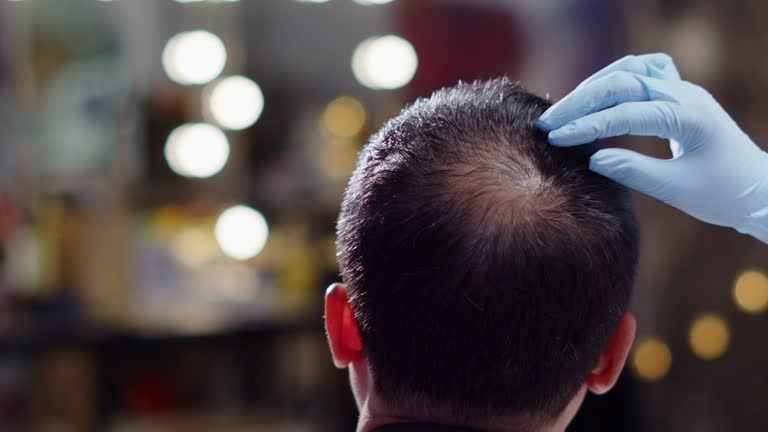
With age, follicles shrink, the growth phase shortens, and new hairs grow finer. Men may progress toward pattern baldness where FUE or DHI is discussed after evaluation. Women often notice diffuse thinning after menopause.
Age-related change is usually gradual. Minoxidil, PRP, lifestyle adjustments, and realistic expectations help many patients.
Stress-induced shedding
Stress pushes follicles into telogen effluvium. Common triggers include:
- Emotional stress: grief, anxiety, trauma
- Physical stress: illness, surgery, rapid weight loss
- Major life changes: job loss, burnout, relocation
Shedding often starts 2 to 3 months after the event. Follicles are usually not permanently damaged, so recovery is possible with time, stress reduction, and balanced nutrition.
Pregnancy and postpartum shedding
Many women have thicker hair during pregnancy because of higher estrogen. After delivery, hormone levels drop and postpartum telogen effluvium may begin around 2 to 4 months, often improving within 6 to 12 months.
Supportive care includes nutrient-dense meals, adequate sleep, stress management, and gentle styling without tight traction.
Step-by-Step Self-Check Guide for Hair Loss
Recognizing early shedding and possible causes improves outcomes. A simple home check helps you decide whether to monitor, adjust lifestyle, or book a professional visit.
The zone hair pull test
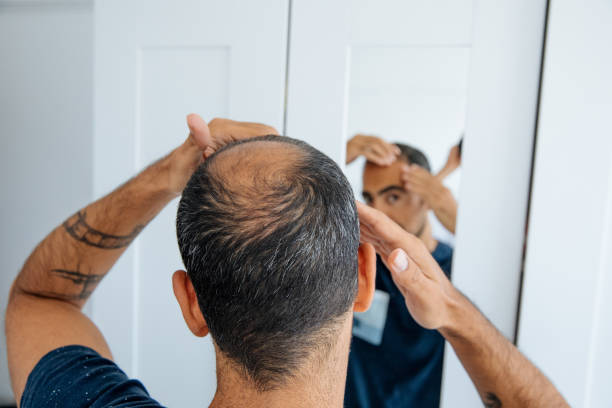
Do not wash your hair for 48 hours. Grasp about 40 to 60 hairs between thumb and fingers. Gently tug from the root, testing the front hairline, crown, back, and sides.
If more than 6 hairs release from one zone and this repeats in several areas, diffuse shedding such as telogen effluvium or nutritional causes is more likely.
What to observe
- Even shedding across the scalp may suggest stress, illness, or deficiency
- Patchy bald spots may suggest alopecia areata or infection
- Itchy, flaky, or red scalp may indicate dermatitis or fungal disease
- Widening part line or temple recession may suggest androgenetic alopecia
When to see a doctor
- Shedding continues for more than 3 months
- Bald patches or visible scalp appear quickly
- Pain, burning, or inflammation on the scalp
- Family history of genetic hair loss and worsening pattern
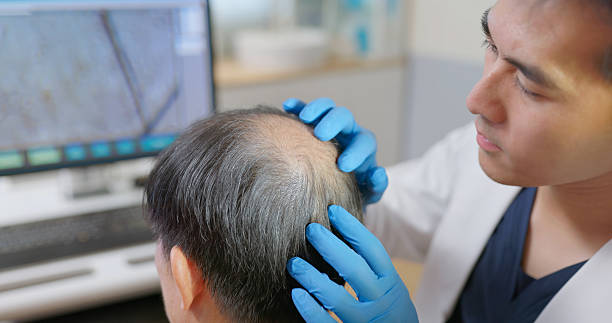
Professional evaluation may include blood tests, trichoscopy, and sometimes scalp biopsy for autoimmune causes. Your observations plus clinic findings support a precise plan.

Treatment Tied to Cause
Not every treatment fits every type of hair loss. What helps genetic thinning may not help infection or stress shedding. Once the cause is clear, therapy can be targeted for lasting results.
| Cause type | Typical treatments | Notes |
|---|---|---|
| Genetic and hormonal (androgenetic alopecia) | Minoxidil, finasteride (men), PRP, low-level laser; FUE, DHI or Sapphire FUE when balding is advanced and stable | Early treatment slows miniaturization; transplant is considered after diagnosis and donor assessment |
| Medical and autoimmune (alopecia areata, thyroid, PCOS) | Topical or injectable corticosteroids, immunotherapy, JAK inhibitors; treat underlying disease | Patchy loss may regrow; recurrence is possible and needs follow-up |
| Stress-related or telogen effluvium | Often no prescription needed; stress reduction, sleep, nutrition; iron, zinc, B vitamins if labs are low | Shedding often improves within 3 to 6 months once the trigger is removed |
| Nutritional deficiency or scalp infection | Diet changes, targeted supplements, dietitian support; antifungals for tinea capitis; medicated shampoos for seborrheic dermatitis | Treat infection early to reduce risk of scarring; repeat labs after correction |

Prevention and Maintenance Tips for Long-Term Hair Health
Reversing thinning takes time. Daily habits and scalp care can slow future loss and support medical or surgical treatment.
- Eat a balanced diet with iron, vitamin D, B12, zinc, protein, and omega-3s
- Limit heat styling and avoid daily tight hairstyles
- Wash with gentle, pH-balanced shampoos; massage the scalp lightly
- Continue prescribed minoxidil or finasteride as directed
- After FUE, DHI or Sapphire FUE, follow transplant aftercare from your clinic team
- Use scalp-friendly products recommended after consultation
Track shedding for a few weeks. If thinning worsens or patchy spots appear, book evaluation rather than relying on unproven online remedies.
Next Steps at Turkus Hair Transplant Clinic, Warsaw
If you are unsure whether shedding is temporary or chronic, combine the self-check steps above with a specialist visit. Turkus Hair Transplant Clinic offers assessment in Polish and English.
Your consultation may include trichoscopy, discussion of blood tests, and a clear explanation of medical options versus FUE, DHI or Sapphire FUE when transplant is appropriate.
Acting early often preserves more native hair and improves long-term planning. The team focuses on diagnosis first, then a plan matched to your cause and goals.
Book a free consultation at Turkus Hair Transplant Clinic, Warsaw to discuss your pattern, scalp health, and realistic next steps.
Final thoughts
Understanding what causes your hair loss is the first step toward the right solution. Whether the trigger is genetic, hormonal, autoimmune, or lifestyle-related, an accurate diagnosis makes treatment more effective.
Some cases improve with dietary adjustments, stress management, or treating scalp infection. Others need medical therapy such as minoxidil or finasteride, or surgical restoration with FUE, DHI or Sapphire FUE when indicated.
After you understand the cause, the next step is often preventing hair loss where daily care and medical options can slow progression before you consider surgery.
If you are unsure whether shedding is temporary or chronic, use the self-check steps above and track changes for a few weeks. If thinning worsens or patchy bald spots appear, consult a specialist for bloodwork and trichoscopy.
Act early, avoid unproven miracle cures online, and stay consistent with your plan. Book a free consultation at Turkus Hair Transplant Clinic, Warsaw to discuss your pattern and next steps.
Your Free Hair Diagnosis
Let us send your hair transplant plan!

Frequently asked questions
Answers about sudden shedding, stress, pregnancy, medical causes, chemotherapy, diet, and genetic versus environmental hair loss.
Book a Free Hair Transplant Consultation in Warsaw
Ready to find out if a hair transplant is right for you? Book a free consultation at Turkus Hair Transplant Clinic, Warsaw. During your consultation, the team will assess your donor area, discuss your hairline goals, estimate graft needs and recommend the most suitable treatment plan.