Recovery After Hair Transplant

Full timeline and practical aftercare guide

Undergoing a hair transplant is only the beginning. Long-term success also depends on what happens after surgery: how you wash, sleep, protect your scalp, and manage normal healing phases.

This guide walks you through the complete hair transplant recovery timeline with practical expectations by stage, aftercare tips, and clinical insights used by Turkus Hair Transplant Clinic, Warsaw.

This guide helps you:

  • understand each recovery stage after hair transplant
  • wash, sleep, and return to work safely
  • manage scabs, swelling, and shock loss recovery
  • know what to expect from Day 0 to Month 12
Recovery is not only healing. It is also protecting your investment. Scalp care in the first 10 days can influence results months later.
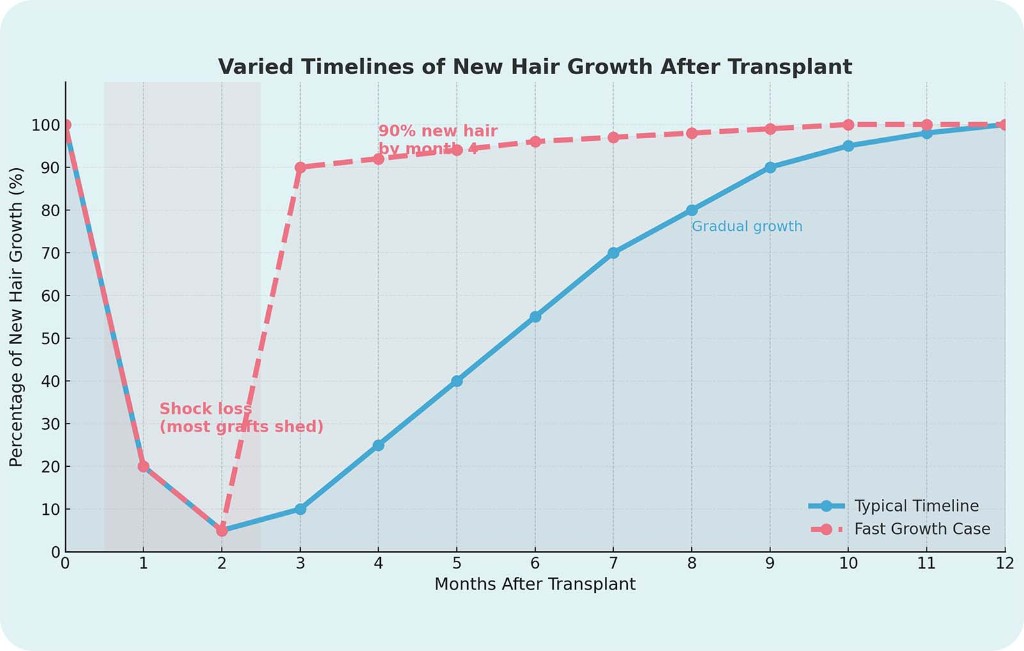
Chart comparing typical and fast hair growth after transplant. Both patterns include an initial shock loss phase.
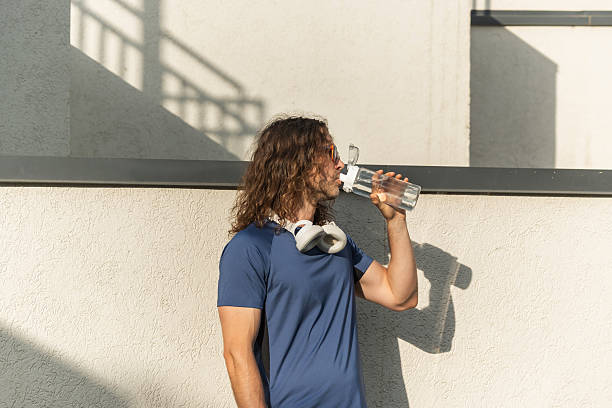
Patient drinking water after exercise, a healthy habit that supports hair transplant recovery.

Quick insights

  • The recovery timeline usually spans about 12 months, with visible growth often starting around Month 3.
  • The first 10 days are critical for graft protection: elevated sleep, gentle care, and strict aftercare compliance.
  • Shock loss in Week 2-3 is normal and temporary, follicle roots remain intact.
  • With proper care and follow-up, most patients regain natural-looking density and confidence.
Pre-procedure consultation in clinic, planning hair transplant recovery.

Day 0: pre-procedure prep

What to expect:

  • Preparation before surgery can make recovery smoother and reduce stress in the first days.
  • Set up sleep position and basic aftercare products before the procedure.

Aftercare tips:

  • Wash with antibacterial shampoo.
  • Avoid alcohol, nicotine, and excess caffeine for 24-48 hours.
  • Prepare two soft pillows for 45-degree elevated sleep.
  • Wear a button-up shirt to avoid scalp friction after surgery.
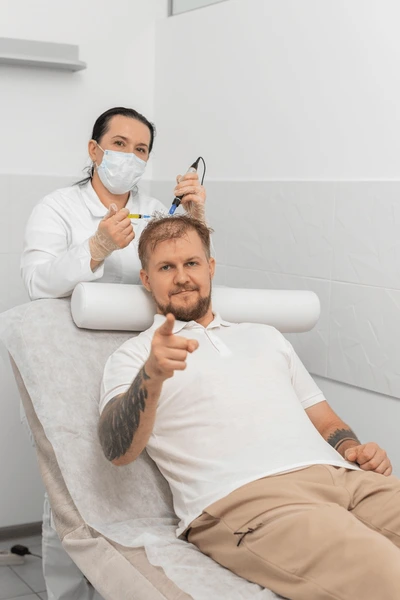
Gentle scalp aftercare in the first days after hair transplant at the clinic.

Day 1-3: initial healing begins

What to expect:

  • Mild forehead swelling, redness, and tightness are common.
  • Grafts are most fragile during this period.

Aftercare tips:

  • Sleep with your head elevated around 45 degrees.
  • Avoid touching or scratching the graft area.
  • Use saline spray if prescribed by your clinic.
  • Avoid direct sun, sweating, and bending over.

This stage is about protection, not speed. Gentle handling directly protects your final result.
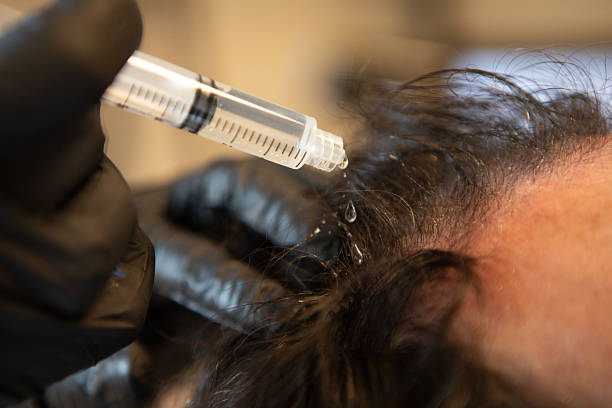
Applying scalp serum during early hair transplant recovery and washing phase.

Day 4-7: scabbing, washing, and itchiness

What to expect:

  • Visible scabs form around grafts and mild itch can appear.
  • Swelling usually decreases by around Day 5.

Aftercare tips:

  • Begin gentle washing exactly as advised by your clinic.
  • Apply shampoo by tapping, not rubbing.
  • Rinse with lukewarm low-pressure water.
  • Do not force scab removal.
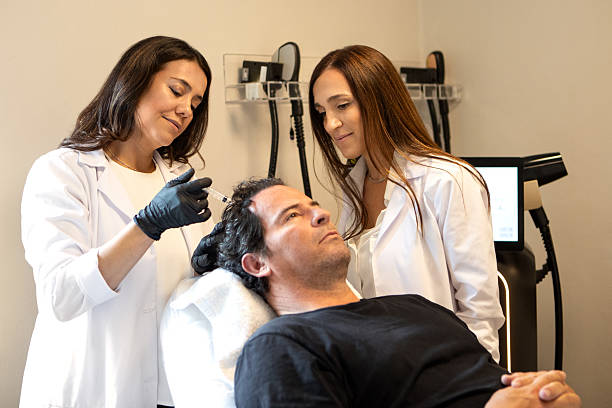
PRP scalp treatment supporting healing during the shock loss period.

Week 2-3: shock loss and shedding phase

What to expect:

  • Transplanted hair shafts may shed in this period.
  • Scalp appearance improves, though mild pinkness can remain in sensitive skin.

Aftercare tips:

  • Continue gentle washing and scalp hydration.
  • Avoid heavy exercise, direct sun, and swimming.
  • Do not panic: shaft shedding does not mean graft loss.

Shock loss is often misunderstood. It is usually a normal transition before regrowth.
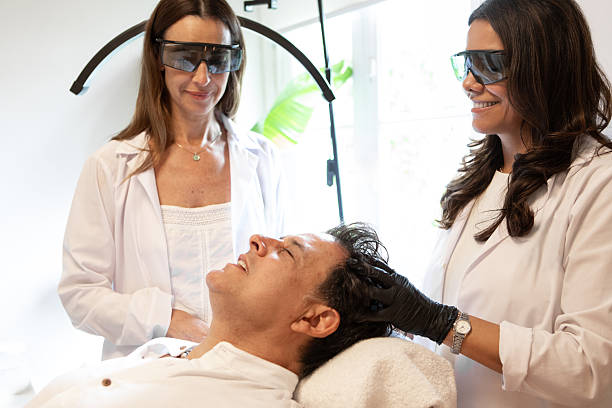
Low-level laser therapy session supporting new hair growth after transplant.

Month 1-3: new growth phase begins

What to expect:

  • Early new growth may appear from Week 6-8.
  • New hair can look thin or lighter at first.

Aftercare tips:

  • Return to activity gradually based on medical advice.
  • Avoid coloring and aggressive heat styling.
  • Discuss PRP or supplements if recommended.
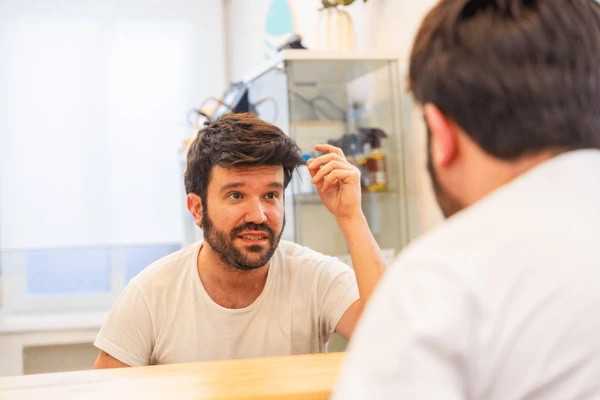
Patient checking thicker hair density in the mirror months after transplant.

Month 4-6: noticeable thickening and volume

What to expect:

  • Density improves and blends better with native hair.
  • Hairline shape becomes more defined.

Aftercare tips:

  • Resume regular haircuts carefully.
  • Maintain gentle scalp care and sun protection.
  • Keep follow-up contact with your clinic.
Relaxed, satisfied patient after completing hair transplant recovery.

Month 6-12: full results and final maturity

What to expect:

  • Hair texture and strength continue to improve.
  • Most patients approach final expected density in this stage.

Aftercare tips:

  • Keep a consistent healthy hair care routine.
  • Review optional supportive treatments if needed.
  • Complete final result review around Month 12.

Hair transplant recovery timeline

Time periodWhat to expectAftercare tips
Day 0Pre-op prep and recovery setupAntibacterial wash, no alcohol/nicotine, button-up clothing
Day 1-3Swelling, redness, tenderness, fragile grafts45-degree sleep, no touching, saline spray as instructed
Day 4-7Scabbing, itchiness, gentle washing startsTap wash only, lukewarm rinse, no forced scab removal
Week 2-3Shock loss and shedding phaseNo heavy sport, avoid sun, keep gentle hygiene
Month 1-3Early regrowth beginsGradual activity return, avoid harsh styling
Month 4-6Visible thickening and better hairline shapeRegular check-ins, maintain mild care
Month 6-12Final maturation and stable appearanceLong-term routine and final clinic review

Important questions and answers

What should I eat to support recovery?

Prioritize protein, iron, zinc, and B vitamins. Good hydration and limiting alcohol support more stable healing.

How should I sleep after surgery?

For about one week, sleep on your back with your head elevated around 45 degrees to reduce swelling and protect grafts.

Why does transplanted hair shed after a few weeks?

That is typical shock loss. Hair shafts shed while follicles remain and later re-enter growth.

How do I know healing is normal?

Scabs, mild redness, and decreasing swelling are common. Contact your clinic quickly for strong pain, fever, or discharge.

When can I return to exercise?

Light walking usually returns earlier, while intense training should wait according to your surgeon's instructions.

Where can I see real recovery before-and-after cases?

Review verified before-and-after galleries and clinic-supervised progress photos from real patient timelines.

Ready to begin your hair restoration journey?

Whether you are planning a procedure or already in recovery, understanding each stage helps protect your result.

If you want, we can review your personal recovery plan and follow-up timeline with Turkus Hair Transplant Clinic, Warsaw.

Planning a trip? Read the guide on flying after a hair transplant before you book your flight.

Your Free Hair Diagnosis

Let us send your hair transplant plan!

To prepare an accurate hair analysis, you can add current photos of your scalp (optional).Tap a thumbnail to upload a photo from each angle.

Front View
Back View
Top View
Turkus Hair Transplant Clinic patient coordinator in a dark blazer, smiling with arms crossed.