Hair Transplant Aftercare: Complete Recovery Timeline and Tips
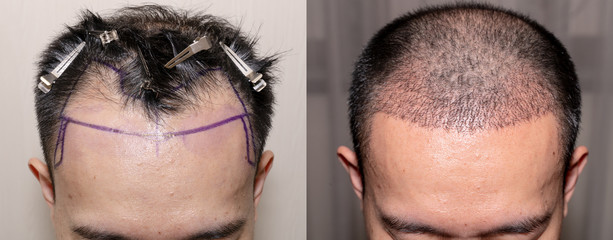
A hair transplant succeeds when grafts survive the first weeks and new hair cycles mature over the following months. Aftercare is the daily routine that protects that investment.
This guide explains essential healing timelines, washing and scab care, return to work and sport, shock loss, nutrition, optional PRP, and what to expect from month 1 to month 12.
Instructions vary by technique and scalp condition. Always follow the written protocol from your medical team rather than generic advice online.
At Turkus Hair Transplant Clinic, Warsaw, patients receive technique-specific aftercare for FUE, DHI and Sapphire FUE, with follow-up and photo reviews built into the plan.
Last updated: May 2026
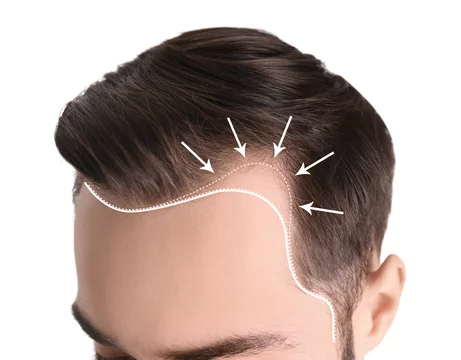
Quick insights: hair transplant aftercare
- The first 10 to 14 days protect graft survival through sleep position, gentle washing, and no picking.
- First wash is usually authorized between day 3 and day 5, never before your clinic confirms.
- Shock loss between weeks 2 and 8 is normal and does not mean grafts failed.
- Visible regrowth often starts around months 3 to 4, with major density gains by months 6 to 12.
- Limit gym, sun, and tight hats until your Warsaw team releases each milestone.
- Nutrition, hydration, and optional PRP support healing when medically appropriate.
Table of contents
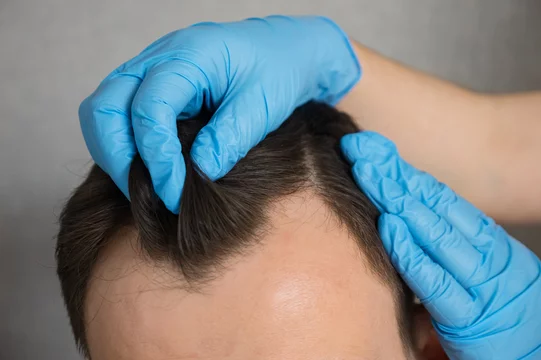
Essential Aftercare and Healing Timelines
Hair transplant aftercare protects grafts while the scalp heals and new hair cycles begin. The first days matter most for survival and comfort.
Every clinic gives a written protocol. At Turkus Hair Transplant Clinic, Warsaw, instructions are matched to your technique (FUE, DHI, or Sapphire FUE) and treated zones.
What is essential aftercare?
- Sleep with head elevated and avoid pressure on grafts
- Gentle washing only when released by the medical team
- No scratching, picking, smoking excess, or heavy sweating early on
- Take prescribed antibiotics or pain relief as directed
- Attend follow-up and send progress photos if asked
Essential aftercare is not complicated, but it requires consistency. Small daily habits reduce swelling, scab problems, and graft dislodgement.
Surface heal time
The visible surface of the scalp often looks settled within 10 to 14 days as scabs shed and redness fades. Donor tiny scabs may clear on a similar schedule.
Itching and light pink tone can linger longer on fair skin. Contact the clinic if pain, spreading redness, fever, or unusual discharge appears.
Full recovery time
Full cosmetic recovery is measured in months, not days. Shock loss, regrowth, density build, and hair maturation unfold across a 12-month timeline for most patients.
Plan follow-ups at key milestones rather than judging the result during the shedding phase.
Day 0 to 2: Immediate Post-Operative Care
The first 48 hours are about protection. Grafts are not yet firmly anchored, and swelling may move downward toward the forehead or around the eyes.
What to expect
- Redness and tightness in recipient and donor areas
- Small crusts forming around each graft
- Mild to moderate forehead swelling by day 2 for some patients
- Fatigue and sensitivity; plan quiet rest at home
Practical tips
- Wear a button-front shirt so you do not pull clothing over the head
- Use saline mist if provided to keep grafts moist without rubbing
- Avoid alcohol, smoking, and blood-thinning supplements unless cleared
- Keep hydration steady with water, not sugary drinks
Swelling and sleep
Sleep on your back with upper body elevated about 45 degrees using two soft pillows or a wedge. Side sleeping can shift grafts or increase swelling.
If swelling around the eyes appears, it is usually temporary. Cold compresses may be used only on areas away from grafts if the clinic approves.
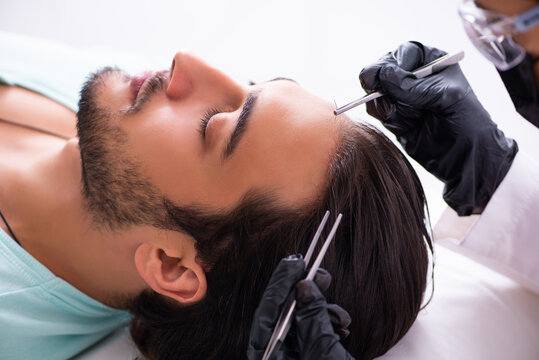
Day 3 to 7: First Wash and Scab Care
This week introduces controlled washing. The goal is to soften crusts without dislodging grafts.
Washing protocol
- Apply clinic shampoo with gentle tapping motions, never circular rubbing
- Let foam sit briefly, then rinse with lukewarm low-pressure water
- Pat dry with a clean soft towel; do not scrub
- Follow the exact day your Warsaw team authorizes the first wash
Washing too early or too aggressively is a common cause of lost grafts. When in doubt, message your coordinator before changing the routine.
Scab removal
Scabs protect healing sites. They should loosen naturally over several washes, usually by the end of week one or into week two.
Never pick, scratch, or peel crusts. If a thick scab persists, the clinic may adjust technique at a review visit rather than forcing removal at home.
Week 2 to 4: Returning to Normal Life
Many patients feel socially presentable once redness and obvious crusting fade. Restrictions still apply to sport, sun, and mechanical friction.
What you can do
- Desk work and light errands when comfortable
- Gentle daily washing per protocol
- Short walks if approved and without heavy sweating
- Loose, clean hats only if the clinic clears timing
Exercise
Avoid gym, running, contact sports, and swimming until released. Sweat and raised blood pressure can irritate grafts and prolong redness.
Light walking is often acceptable earlier than weight training. Ask for a written return-to-sport date at your week-2 check.
Sun exposure
Direct strong sun on a healing scalp can burn tissue and darken healing skin. Use a loose hat or shade when outdoors.
Sunscreen on the scalp is usually introduced only after the clinic confirms the surface has healed.
Week 4 to 12: Advanced Aftercare
After surface healing, focus shifts to follicle cycling, shock loss management, and supportive therapies.
Shock loss
Between weeks 2 and 8, transplanted hairs may shed. This shock loss is normal. The follicle root typically remains and enters a new growth phase.
Native hairs near the transplant zone can also shed temporarily. Document photos monthly instead of checking daily.
PRP and clinic therapies
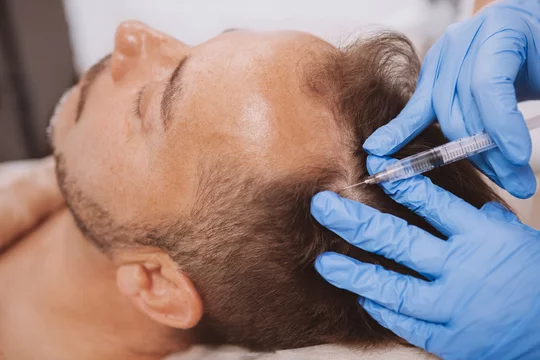
Optional PRP (platelet-rich plasma) may be discussed to support healing and early growth when medically appropriate. It is not mandatory for everyone.
Low-level laser or medicated lotions may be added to your plan if indicated after examination at Turkus Warsaw.
Regrowth support
- Continue gentle shampooing and avoid harsh salon chemicals
- Maintain protein-rich meals and hydration
- Sleep well and manage stress, which can influence shedding
- Keep scheduled photo follow-ups for objective progress tracking
Nutrition and Supplements After Hair Transplant
Healing follicles need building blocks from diet. Supplements should complement food, not replace medical advice.
Nutrition to prioritize
- Lean protein: fish, eggs, poultry, legumes
- Iron-rich foods if labs are normal or corrected: leafy greens, lean red meat
- Zinc and B vitamins from whole grains, nuts, seeds
- Omega-3 sources: oily fish, walnuts, flax
- Plenty of water through the day
Foods and habits to limit
- Excess alcohol during early healing
- Heavy smoking, which can impair circulation
- Very salty processed foods that may worsen swelling
- Unverified mega-doses of vitamins without blood tests
Supplements
Biotin, zinc, or multivitamins are sometimes suggested, but only after your doctor reviews medications and lab results.
Do not restart blood thinners, herbal stacks, or testosterone boosters without clearance, as they can affect bleeding and healing.
Recovery Timeline Summary
| Timeframe | What happens | What to do |
|---|---|---|
| Day 0 to 2 | Grafts are fragile. Mild redness, tightness, and forehead swelling are common. Tiny crusts begin to form around each graft. | Sleep with head elevated about 45 degrees. Do not touch or scratch the recipient zone. Use saline spray if the clinic advised it. Avoid bending, sweating, and direct sun. |
| Day 3 to 7 | Scabs become more visible. Itching may appear as the surface heals. Swelling usually peaks then eases. | Start the first gentle wash only when instructed. Use clinic shampoo with light tapping, no rubbing. Rinse with lukewarm low-pressure water. Do not pick scabs. |
| Week 2 to 4 | Shock loss may begin. Transplanted hairs can shed while follicles remain. Donor area tenderness fades. | Return to light desk work if comfortable. Avoid gym, swimming, sauna, and heavy hats. Keep washing gentle and protect from strong sun. |
| Week 4 to 12 | Shedding phase continues for many patients. Scalp tone calms. Early fine hairs may appear late in this window. | Follow advanced aftercare: hydration, optional PRP if recommended, no harsh dyes or heat styling. Attend photo follow-ups at Turkus Warsaw. |
| Month 1 to 3 | First new growth often starts between weeks 6 and 10. Hairs may look thin, light, or uneven at first. | Resume activity gradually per medical advice. Continue balanced nutrition and prescribed supplements. Do not panic over temporary thin patches. |
| Month 4 to 6 | Density and coverage become more noticeable. Hairline and crown blend improve with native hair. | You may trim carefully. Maintain sun protection and clinic check-ins. Discuss finasteride, minoxidil, or laser if part of your plan. |
| Month 6 to 12 | Hair thickens and matures. Most patients reach the majority of planned cosmetic improvement in this period. | Keep a stable care routine. Book a final review in Warsaw. Compare progress photos rather than daily mirror checks. |
Hair Transplant Aftercare Statistics
Figures vary by technique, graft count, age, and adherence to protocol. The table summarizes ranges commonly reported in clinical literature without replacing your personal medical plan.
| Statistic | Detail |
|---|---|
| Graft survival with proper aftercare | Clinical studies suggest that careful washing, sleep position, and infection prevention support high follicle retention when surgery and aftercare protocols are followed. |
| Shock loss incidence | Clinical studies suggest that a majority of patients notice shedding of transplanted hair shafts between weeks 2 and 8 while roots remain in place. |
| First visible regrowth | Clinical studies suggest that many patients see first new hairs between 6 and 12 weeks, though timing varies by age, technique, and zone treated. |
| Meaningful density improvement | Clinical studies suggest that noticeable cosmetic density often builds between months 4 and 6, with continued maturation through month 12. |
| Full result maturation | Clinical studies suggest that final hair caliber and direction continue to refine up to 12 to 18 months after surgery. |
| Infection risk with protocol | Clinical studies suggest that strict hygiene, gentle washing, and early reporting of redness or discharge keep post-op infection rates low in accredited clinics. |
| Return to desk work | Clinical studies suggest that many patients resume office work within 3 to 7 days if swelling and comfort allow, while physical jobs may need longer. |
| Exercise restrictions | Clinical studies suggest avoiding heavy sweating and head impact for about 2 to 4 weeks reduces graft trauma and swelling. |
| Sun and UV exposure | Clinical studies suggest protecting the scalp from strong sun for several weeks helps limit redness and pigment changes during healing. |
| Adjunct PRP or medical therapy | Clinical studies suggest that optional PRP, minoxidil, or finasteride when medically appropriate may support regrowth in some patients alongside surgery. |

Aftercare at Turkus Hair Transplant Clinic, Warsaw
Turkus provides structured aftercare for patients in Poland and visitors who return home with remote photo support. Your plan is tied to FUE, DHI, or Sapphire FUE performed on site.
First wash and written protocol
Before you leave Warsaw, the team demonstrates washing and supplies clinic-approved products. You receive step-by-step timing for days 0 to 14 and beyond.
Medical follow-up and PRP
In-person or virtual check-ins review scabs, donor healing, and shock loss. Optional PRP sessions are scheduled only when they fit your case.
Photo documentation
Standardized photos at agreed intervals help compare density fairly. This reduces anxiety during shedding and guides any adjustment to medical therapy.
Results Patients Can Expect
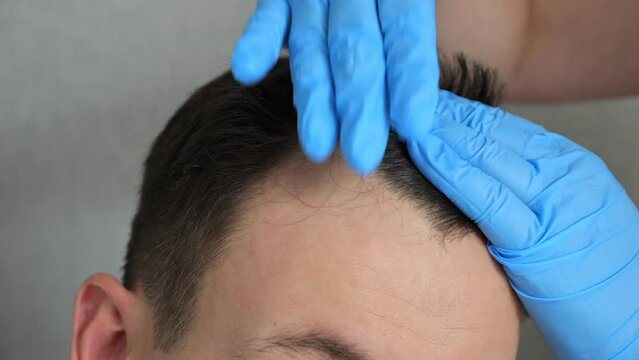
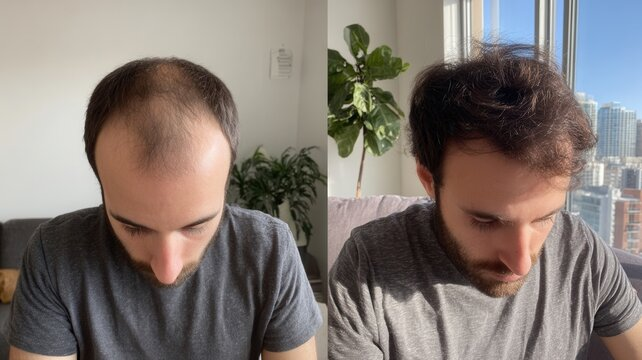
Before and after expectations should be discussed at consultation with similar cases and realistic graft numbers.
Month 1 often looks thinner than pre-op because of shock loss. Month 3 to 4 brings first visible hairs. Month 6 to 9 shows meaningful coverage for many men. Month 12 is the usual benchmark for evaluating the plan.
Women and crown-heavy cases may need the full 12 to 18 months for final texture. Density continues to refine as hair thickens and darkens.
Book Your Consultation
Whether you are preparing for surgery or already in recovery, a personalized timeline prevents guesswork.
Contact Turkus Hair Transplant Clinic, Warsaw for a free consultation. The team will review your scalp, explain aftercare for your technique, and outline follow-up milestones.
Bring your questions about washing, sport, shock loss, PRP, and nutrition so your written protocol matches your daily life.
Final thoughts
Aftercare is not a short inconvenience. It is the bridge between surgery day and the density you planned at consultation.
Patients who follow washing, sleep, and activity rules at Turkus Hair Transplant Clinic, Warsaw typically move through swelling and shock loss with fewer complications and clearer progress photos.
If you are unsure about a symptom, contact the clinic early. Book a consultation to align your personal timeline, technique, and follow-up before or after your procedure.
Your Free Hair Diagnosis
Let us send your hair transplant plan!

Frequently asked questions
Answers about washing, scabs, gym, hats, shock loss, PRP, and diet during hair transplant aftercare.
Book a Free Hair Transplant Consultation in Warsaw
Ready to find out if a hair transplant is right for you? Book a free consultation at Turkus Hair Transplant Clinic, Warsaw. During your consultation, the team will assess your donor area, discuss your hairline goals, estimate graft needs and recommend the most suitable treatment plan.