Hair Transplant to the Crown Area
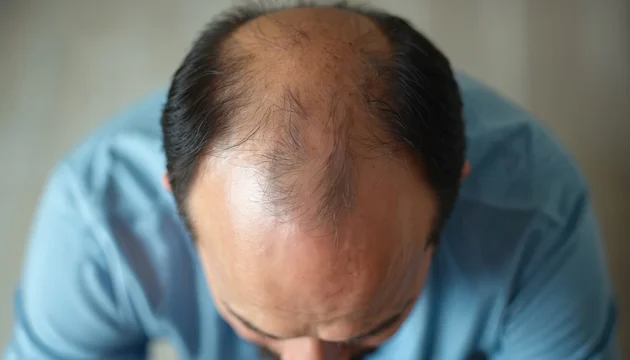
Thinning or baldness at the crown (vertex) is one of the most common hair loss patterns in men and a frequent concern for women with diffuse density loss on top.
The crown has a unique spiral growth direction and often needs careful graft planning and donor protection. Not every clinic approaches the vertex with the same level of detail.
This guide covers causes and symptoms, FUT versus FUE family techniques, success factors, preparation, surgeon choice, recovery, results timeline, cost factors at Turkus Warsaw, alternatives, and anonymized case examples.
At Turkus Hair Transplant Clinic, Warsaw you can book a free consultation for trichoscopy, donor assessment, and a personalized crown plan with FUE, DHI or Sapphire FUE when appropriate.
Last updated: May 2026

Quick insights: crown hair transplant
- Crown loss is often genetic (androgenetic alopecia) but can have hormonal or medical triggers.
- FUE, DHI and Sapphire FUE at Turkus avoid a linear strip scar while allowing swirl-direction planning.
- Graft count depends on crown size, hair caliber, donor density, and combined zone goals.
- Visible improvement commonly builds from month 6 to 12, with maturation up to 18 to 24 months.
- Shock loss in the first months is expected and not a sign of failed grafts.
- Personalized pricing is provided after consultation in Warsaw, not via fixed online packages.
Causes and Symptoms of Hair Loss in the Crown Area
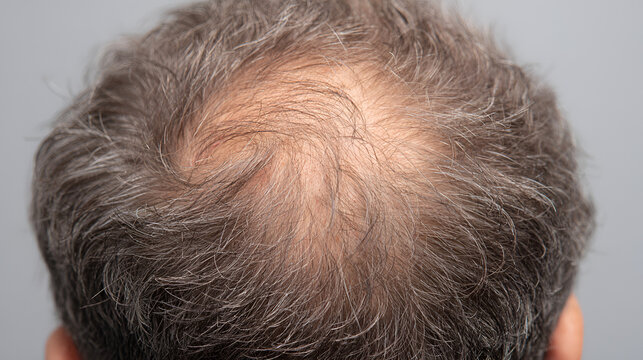
The crown (vertex) is the rounded zone at the top and back of the scalp. It is one of the first places many men notice thinning, and it is a common concern for women with diffuse density loss as well.
Crown hair loss is not always isolated. It often appears together with recession at the temples or thinning along the mid-scalp. Understanding why the crown is affected helps you choose medical therapy, transplant, or both.
Genetics and androgenetic alopecia
The leading cause is androgenetic alopecia. Hair follicles in the crown become sensitive to DHT, shrink over time, and produce finer, shorter hairs until the scalp becomes visible.
On the Norwood scale, crown involvement often appears as stage 3 vertex or higher. In women, Ludwig pattern thinning may concentrate on the crown and part line while the frontal hairline can remain relatively stable.
Female pattern and hormonal factors
- Menopause and shifting estrogen levels can reduce overall density on top
- PCOS and thyroid disorders may contribute to diffuse thinning that includes the crown
- Postpartum shedding can temporarily reduce crown volume before recovery
Blood tests and scalp examination help separate hormonal shedding from progressive genetic thinning.
Other types of alopecia
Alopecia areata may cause patchy loss on the crown. Telogen effluvium after illness, stress, or medication can thin the whole scalp including the vertex. Traction from tight styles and some scalp infections can also weaken follicles locally.
Symptoms patients notice
- Wider part line or more scalp visible under bright light
- Circular thinning or a bald spot when viewed from above
- Loss of volume when styling, especially at the back
- Slower regrowth after a short haircut compared with the sides
If the pattern worsens over months, document photos from above and book evaluation rather than waiting until the area is fully bald.
FUT and FUE Hair Transplant Procedures for the Crown
Two surgical approaches are often discussed for crown restoration: FUT (strip harvest) and FUE (follicular unit extraction). At Turkus Hair Transplant Clinic, Warsaw, crown cases are planned with modern extraction methods tailored to your donor area and goals.
FUT (follicular unit transplantation)
FUT removes a strip of scalp from the donor zone. Follicular units are dissected under magnification and implanted into the crown. It can yield a high graft count in one session but leaves a linear scar at the donor site, which may limit short hairstyles.
FUE and advanced FUE at Turkus Warsaw
FUE harvests individual grafts with a micro-punch. There is no linear strip scar. Grafts are sorted by hair count and prepared for implantation into the crown swirl with planned angles.
Turkus also offers DHI (direct hair implantation with an implanter pen) and Sapphire FUE (sharp sapphire blades for recipient sites). These techniques can support precise direction in the crown and comfortable healing when indicated after consultation.
Which approach fits the crown?
- Donor density and how many grafts the crown realistically needs
- Whether you prefer to avoid a linear scar (FUE family of techniques)
- Whether the hairline or temples need treatment in the same plan
- Surgeon assessment of scalp laxity and long-term donor preservation
There is no universal winner. Your plan should protect future donor supply while giving the crown the coverage you can maintain over time.
Factors That Determine Success
Crown transplant success depends on more than graft count. The table below summarizes what the Turkus team evaluates before recommending surgery.
| Factor | Why it matters |
|---|---|
| Donor hair quality and density | Strong, healthy follicles from the back and sides support coverage in the wide crown zone without over-harvesting. |
| Surgeon skill and crown design | The crown has a spiral growth pattern. Correct angle, direction, and density planning define a natural look. |
| Technique (FUE, DHI, Sapphire FUE) | Extraction and implantation method affects scar visibility, graft survival, and how precisely grafts are placed between existing hairs. |
| Patient health and hair loss stability | Stable pattern, controlled medical conditions, and realistic goals improve long-term satisfaction. |
| Aftercare and follow-up | Washing protocol, sleep position, medications, and clinic check-ins protect grafts during the first critical weeks. |
Pre-operative Evaluation and Preparation
A thorough workup reduces surprises on surgery day and sets realistic density goals for the crown.
Consultation and diagnosis
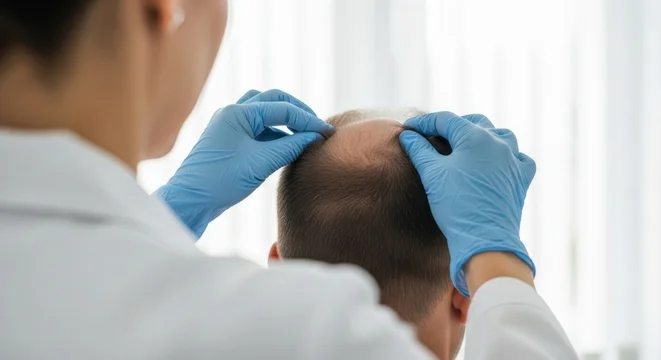
Your visit includes medical history, medication review, and discussion of how long the crown has been thinning. Trichoscopy examines miniaturized hairs and scalp health.
Photography from multiple angles, including overhead views, documents the baseline for planning and future comparison.
Donor assessment
The back and sides of the scalp are evaluated for density, hair caliber, and safe extraction limits. Crown work can require many grafts, so donor preservation is discussed openly.
Preparation before surgery
- Pause blood thinners and supplements only as directed by your doctor
- Avoid alcohol and smoking in the days advised by the clinic
- Wash hair with the shampoo provided or recommended
- Arrange transport and time off work for the procedure and first recovery days
You receive written instructions in Polish or English. Follow them closely to support graft survival in the crown and donor areas.
How to Choose the Right Surgeon
Crown restoration is technically demanding. The swirl pattern, need for high graft counts, and long growth timeline make surgeon experience especially important.
What to look for
- Documented crown cases with consistent before and after photography
- Clear explanation of FUE, DHI and Sapphire FUE options for your pattern
- Transparent discussion of graft numbers, staged sessions, and donor limits
- Licensed facility in Poland with on-site medical oversight
- Structured aftercare and reachable team during the first month
Questions to ask at consultation
How many crown procedures does the team perform per year? Will the same physician oversee extraction and design? What happens if shock loss occurs? How are touch-up or second sessions decided?
At Turkus Hair Transplant Clinic, Warsaw, consultations focus on your photos, donor map, and a written plan rather than one-size-fits-all packages.

Post-operative Care and Recovery
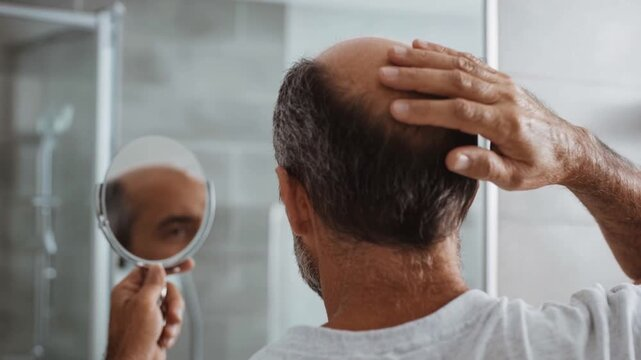
The crown and donor area heal in parallel. The first 10 to 14 days are critical for graft anchoring. Most patients return to desk work within a few days but should avoid heavy exercise until cleared.
First two weeks
- Gentle washing as shown in clinic instructions; no rubbing or picking scabs
- Sleep with head elevated; avoid pressure on the grafted crown
- Wear loose, button-front shirts to avoid pulling over the head
- Take prescribed antibiotics or pain relief only as directed
Weeks 2 to 8 and beyond
Scabs shed, redness fades, and transplanted hairs may enter a resting phase. Light office work and social activities are usually possible long before final density appears.
Sun protection, hydration, and avoiding swimming or saunas until release support healing. PRP or laser therapy may be discussed if appropriate for your plan.
Risks and complications
Like any surgical procedure, crown hair transplant carries risks, though serious complications are uncommon when performed by an experienced team.
- Minor bleeding, swelling, itching, or temporary numbness
- Shock loss: temporary shedding of transplanted shafts while follicles remain
- Infection or poor growth when aftercare instructions are not followed
- Rare issues such as cysts or keloids in predisposed patients
Report unusual pain, spreading redness, or fever promptly. Choosing a qualified clinic and following pre- and post-operative instructions minimizes risk.
Expected Results and Outcomes
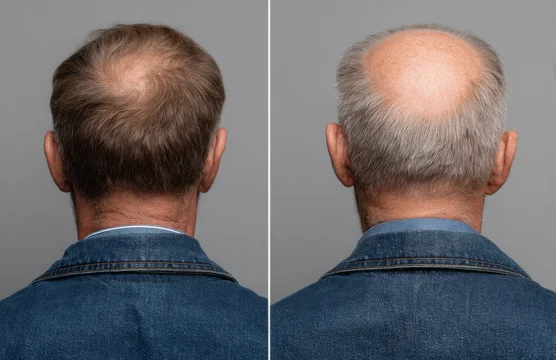
Crown growth is often slower to look full than the hairline because hairs emerge at varied angles in the swirl. Patience and consistent follow-up matter.
Typical timeline
- Months 1 to 3: shedding of transplanted shafts (shock loss) can occur; new growth is not yet visible
- Months 4 to 6: first visible hairs; density still light
- Months 6 to 12: noticeable improvement in coverage for many patients
- Months 12 to 18: continued thickening as hairs mature
- Up to 18 to 24 months: near-final density and caliber for the crown zone
Realistic density goals
The crown may not match childhood thickness in one session, especially if the area is large. The goal is natural coverage under normal lighting and a balanced look with the rest of the scalp.
Native hair in the crown may continue to miniaturize if androgenetic alopecia is untreated. Finasteride or minoxidil may be recommended for suitable patients alongside transplant.
Cost Considerations at Turkus Warsaw
Pricing is personalized. Turkus does not publish fixed dollar packages online because crown size, technique, and combined zones vary widely. After consultation in Warsaw you receive a clear quote based on the factors below.
| What shapes your quote | Notes at Turkus Warsaw |
|---|---|
| Graft count for the crown zone | Larger bald or thin areas need more grafts. Your plan is based on crown size, hair caliber, and donor capacity after examination. |
| Technique: FUE, DHI or Sapphire FUE | Each method has different tooling and labor. The team recommends the approach that fits your pattern and density goals. |
| Combined zones (crown plus hairline or temples) | Treating multiple areas in one session or staged sessions changes total graft use and planning time. |
| Medical planning and trichoscopy | Diagnosis, photography, and design time are part of a safe, personalized plan before surgery is booked. |
| Aftercare package and follow-up visits | Post-op kits, washing guidance, and scheduled reviews are discussed at consultation so you know what is included. |
Book a free consultation at Turkus Hair Transplant Clinic to review graft estimates, technique choice, and what is included in aftercare. Payment plans or deposits, if offered, are explained in writing before you commit.
Alternative Treatments
Not every patient needs surgery immediately. Medical and cosmetic options can slow loss, add perceived density, or bridge time until transplant is appropriate.
Medications
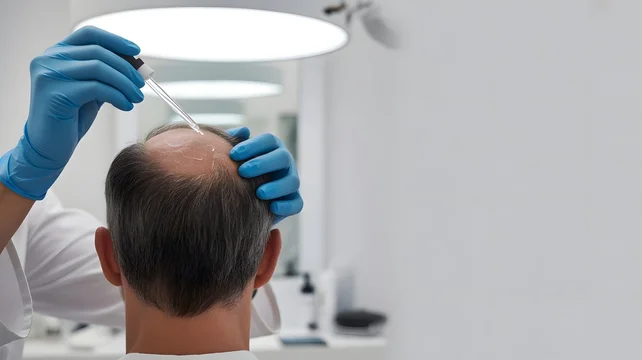
Finasteride (for suitable men) and minoxidil can reduce DHT impact or stimulate follicles. They work best when started early and used consistently. They do not replace transplant in advanced crown baldness but may protect remaining native hair.
Non-surgical options
- PRP or peptide scalp therapies for selected thinning
- Scalp micropigmentation (SMP) to reduce contrast between skin and hair
- High-quality hair systems or fibers for temporary cosmetic density
- Low-level laser caps as an adjunct when recommended
Lifestyle and natural support
Nutrition, iron, vitamin D, stress management, and gentle scalp care support overall hair health. They rarely reverse advanced crown baldness alone but are part of a complete plan after blood work at consultation.
Why Turkus Hair Transplant Clinic for Crown Restoration
Patients choose Turkus Hair Transplant Clinic, Warsaw for crown work because planning, technique, and follow-up stay under one medical team in Poland.
Personalized crown planning
Each plan starts with trichoscopy, donor mapping, and overhead photography. The team balances crown coverage with hairline and temple needs so donor hair is not overused in a single session.
FUE, DHI and Sapphire FUE on site
Modern extraction and implantation tools allow natural direction in the crown swirl. Methods are selected for your scalp, not pushed as a marketing package from abroad.
Safety and continuity
- Procedures in a Warsaw clinic with clear pre-op and post-op protocols
- Polish and English communication for local and international patients
- Structured washing instructions and scheduled reviews after surgery
- Focus on long-term donor preservation, not maximum graft count alone
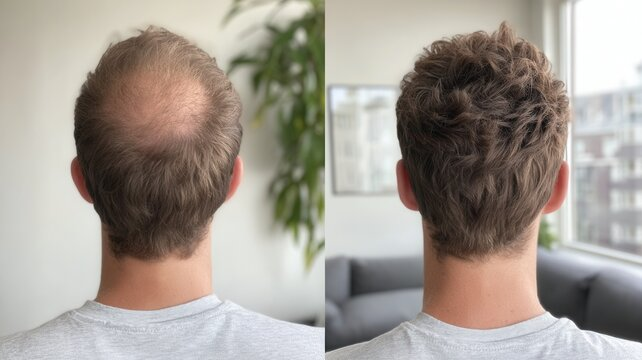
Case Study: Crown Restoration After FUE
This anonymized example illustrates a typical male crown journey at Turkus. Names and identifying details are removed.
Presentation
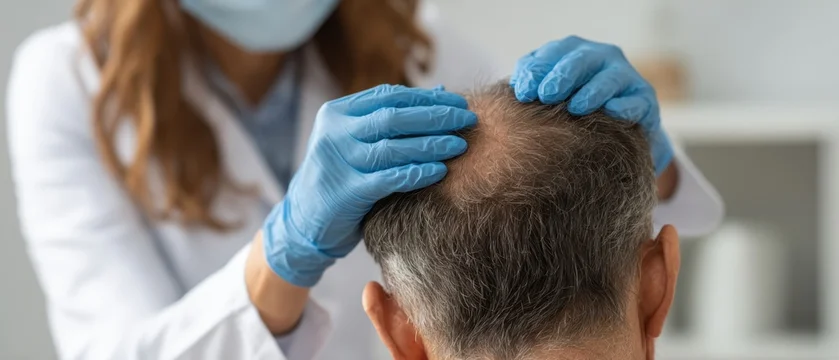
A man in his late 30s noticed a widening bald spot on the vertex for several years. Norwood pattern with stable temples. He wanted coverage when viewed from above and in office lighting, without a strip scar.
Plan and procedure
After consultation in Warsaw, the team recommended FUE from the occipital donor zone. Grafts were placed following the natural crown swirl. A conservative graft total preserved donor for possible future hairline work.
Surgery was completed in one day under local anesthesia with breaks. Written aftercare covered washing, sleep position, and activity limits.
Recovery and outcome
He experienced expected shock loss at month 2. By month 8, fine regrowth was visible from above. At month 14, crown coverage looked natural in photos and he could wear shorter styles on the sides without a linear donor scar.
Maintenance minoxidil was discussed to protect native hairs. Annual photos track long-term stability.
Case Study: Crown Density With DHI
This anonymized example describes a female patient treated at Turkus for diffuse crown thinning.
Presentation
A woman in her early 40s reported reduced volume on the crown and part line over three years. Ludwig pattern thinning. Labs ruled out major iron and thyroid issues. She preferred no linear scar and wanted natural angles between existing hairs.
Plan and procedure
DHI was selected to implant single-hair grafts between surviving follicles with controlled depth and direction. Donor harvesting used FUE extraction from the lower occipital band.
Graft count targeted visible part widening rather than maximum possible density in one session, respecting long-term donor limits.
Recovery and outcome
Mild shedding occurred in the first weeks. She followed the clinic washing schedule and avoided tight ponytails. By month 10, the part line looked softer and crown volume improved in overhead photos.
She continues periodic trichoscopy reviews and uses minoxidil as advised. A second session may be discussed only if donor and goals support it.
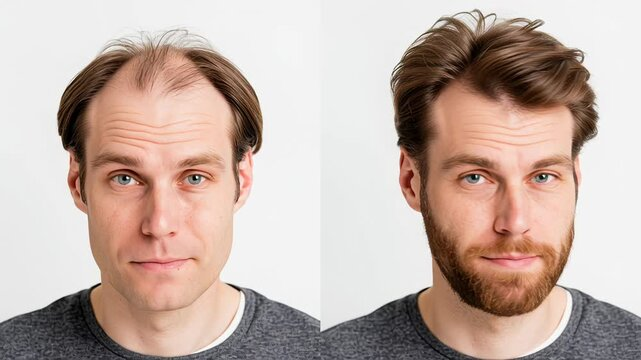
Final thoughts
Restoring the crown can improve how your hair looks from above and in everyday lighting, but it requires realistic goals, strong donor planning, and patience through a long growth timeline.
Benefits of a well-planned crown transplant at Turkus include natural swirl direction, no linear FUT scar when FUE-based techniques are used, combined medical options to protect native hair, and ongoing follow-up in Warsaw.
Whether you are male or female, start with diagnosis, compare FUE and DHI with your surgeon, and understand cost factors before you commit. Early medical therapy may still be recommended alongside surgery.
Book a free consultation at Turkus Hair Transplant Clinic, Warsaw to discuss graft estimates, technique choice, recovery, and whether crown treatment should be staged with the hairline or temples.
Your Free Hair Diagnosis
Let us send your hair transplant plan!

Frequently asked questions
Answers about candidacy, FUE versus FUT, graft numbers, recovery, shock loss, women, cost in Warsaw, and when results appear.
Book a Free Hair Transplant Consultation in Warsaw
Ready to find out if a hair transplant is right for you? Book a free consultation at Turkus Hair Transplant Clinic, Warsaw. During your consultation, the team will assess your donor area, discuss your hairline goals, estimate graft needs and recommend the most suitable treatment plan.